Canadian Orange Historical Site
Primary-source biographies, institutional histories, and dated episodes from two centuries of the Loyal Orange Association of British America in Canada.
Figures
Politicians, clergy, military officers, journalists, and lodge officers documented from primary records.
- 1891 – 1954
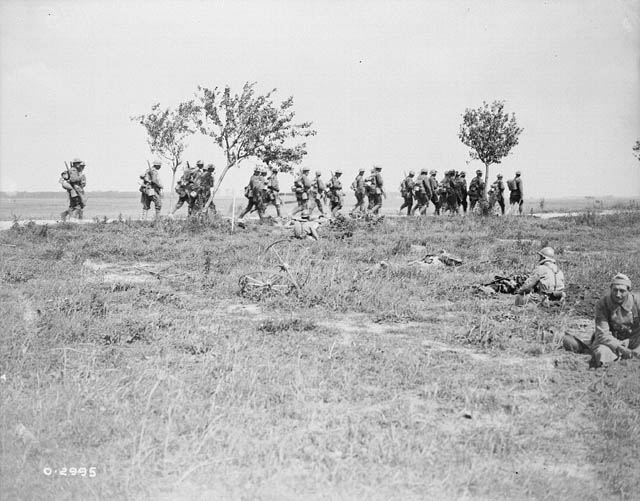
14th Surgeon General of the Canadian Army; Major-General; Commanding Officer of the 2nd Field Ambulance at the Battle of Amiens 1918; physician
- 1918 – 1989
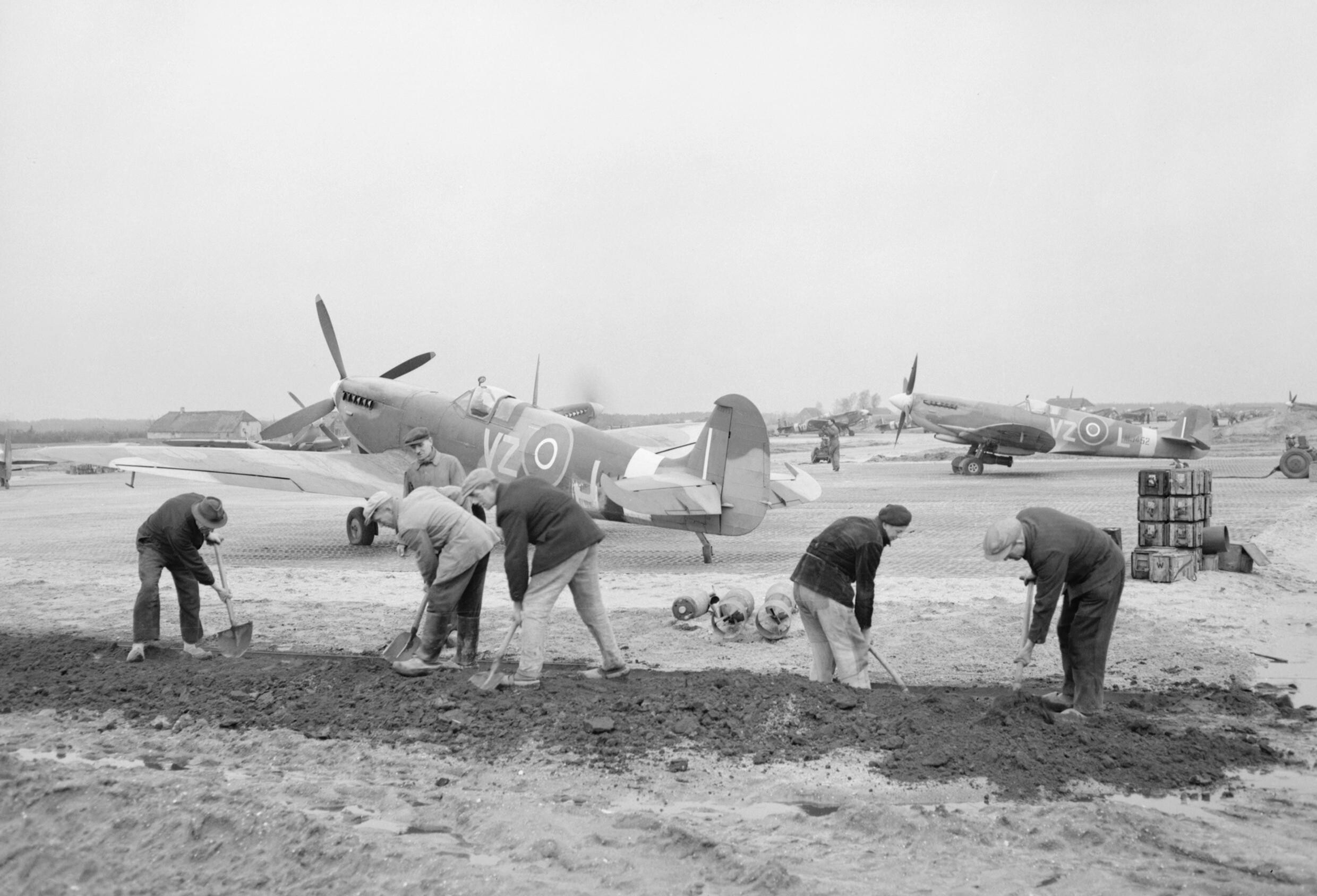
RCAF Flight Lieutenant, No. 401 Squadron; Spitfire pilot; senior tunnel engineer of the Great Escape at Stalag Luft III; postwar businessman and co-founder of the RCAF Prisoners of War Association
- 1803 – 1880
Mayor of Toronto, 1864–1866 and 1874–1875; founder of the Don Foundry; first County Master of the County Orange Lodge of Toronto
- 1866 – 1948
Toronto real-estate developer; Honorary Colonel, Toronto Scottish Regiment; proprietor of the Armour Heights Estate
- 1878 – 1973
Member of Parliament for Vancouver City, Vancouver Centre, and Kootenay East; Minister of Trade and Commerce 1930–1934; founder and only elected MP of the Reconstruction Party of Canada, 1935
- 1857 – 1937
Mayor of Toronto, 1912–1914; Member of Parliament; Senator of Canada
- 1875 – 1955
Member of the Parliament of Northern Ireland for Belfast St Anne's, 1929–1938; DSO; CEF lieutenant-colonel; author
- 1862 – 1927
Member of Provincial Parliament for Victoria South 1914–1919; President and General Manager of The John Carew Lumber Company, Lindsay; President of the Lindsay Central Exhibition 1910–1915
- 1843 – 1918
Canadian single sculls champion 1877; boxer and boxing trainer; member of Brunswick L.O.L. 404, Toronto
- 1837 – 1917
Mayor of Toronto, 6 August 1897 – January 1900; Member of Provincial Parliament for Toronto North, Seat B, 1908–1911; alderman 1883–1895; Toronto Board of Control 1904–1906
- 1904 – 1988
Presbyterian minister; Canadian Chaplain Service captain; Victoria Cross recipient (Dieppe, 1942); Ontario MPP and Minister of Reform Institutions 1950–1957
- 1867 – 1941
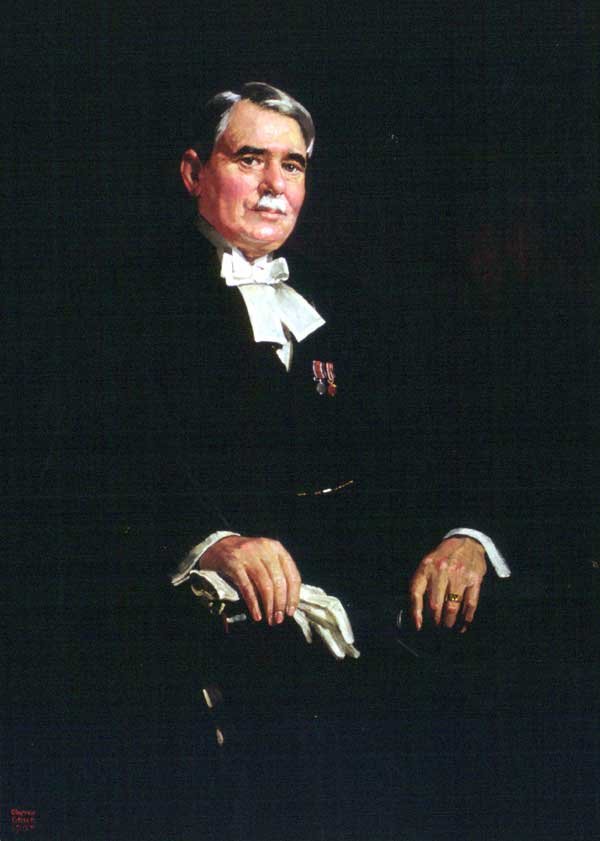
Speaker of the Legislative Assembly of Ontario, 1924–1926; MPP for Toronto Northeast and St. David; Canadian Expeditionary Force officer; Registrar of the Surrogate Court of Toronto, 1929–1934
- 1797 – 1866
Mayor of Toronto, 1854; Toronto city councillor for St. Lawrence Ward 1834–1854; Chairman of the Toronto Board of Public School Trustees 1852–1864; coal merchant and wharf proprietor
- 1816 – 1887
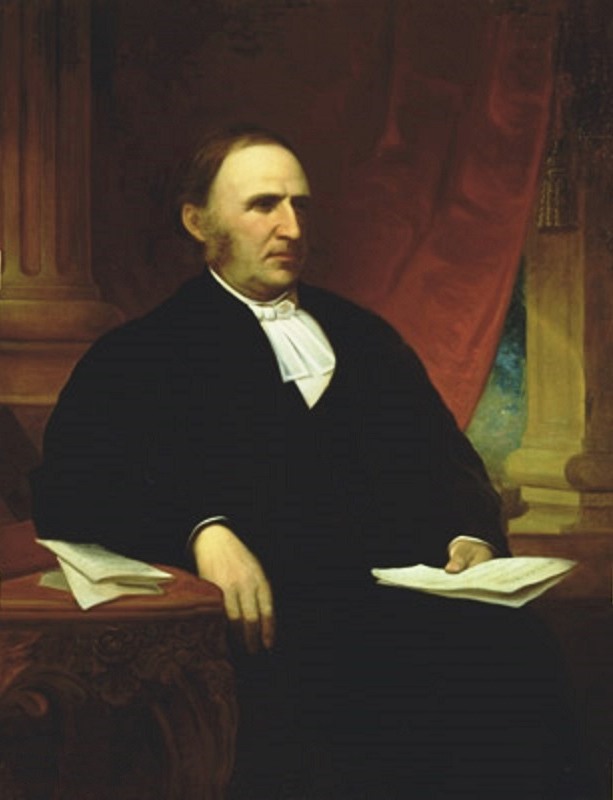
Speaker of the Legislative Assembly of the Province of Canada, 1863–1867; MLA for Hastings South, 1857–1867; Solicitor General for Canada West, 1863; Chief Justice of Manitoba, 1882–1887
- 1803 – 1876
Founder and first Grand Master of the Grand Orange Lodge of British North America, 1830; Member of the Legislative Assembly of the Province of Canada for Leeds, Leeds and Grenville, and North Leeds; proprietor of the Brockville Statesman and the Toronto Patriot; Lieutenant-Colonel, Queen's Royal Borderers
- 1884
Lieutenant Colonel, 236th Battalion, Canadian Expeditionary Force; Member of the New Brunswick Legislative Assembly for York 1914; barrister
- 1901 – 1981
Member of Provincial Parliament for Hamilton East 1945–1948 and 1951–1959; Hamilton City Council alderman; Royal Canadian Engineers 1918–1928; general contractor
- 1844 – 1921
Member of Provincial Parliament for Parry Sound 1886–1890; Sheriff of Parry Sound 1895–1921; Reeve of McKellar Township 1872–1887; postmaster of McKellar 1871–1886
- 1845 – 1911
Premier of Newfoundland 1897–1900; Attorney General 1885–1889; Solicitor General 1882–1885; Speaker of the House of Assembly 1877–1878; Judge of the Supreme Court of Newfoundland 1893–1896; Member for Burin and for Harbour Grace at various dates, 1873–1900
- 1823 – 1917
Prime Minister of Canada 1894–1896; Member of Parliament for Hastings North 1867–1892; Senator 1892–1917; Grand Master of the Loyal Orange Association of British America 1870–1878
- 1863 – 1940
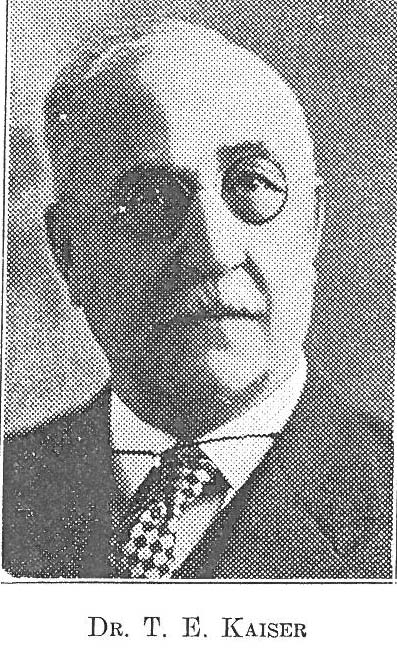
Mayor of Oshawa 1907–1908; Member of Parliament (House of Commons of Canada) for the riding of Ontario, 1925–1930; physician; author of Historic Sketches of Oshawa (1921) and A History of the Medical Profession of the County of Ontario (1934)
- 1880 – 1950
Member of Provincial Parliament for West York, 1934–1943; Reeve of Etobicoke Township; Warden of York County, 1924
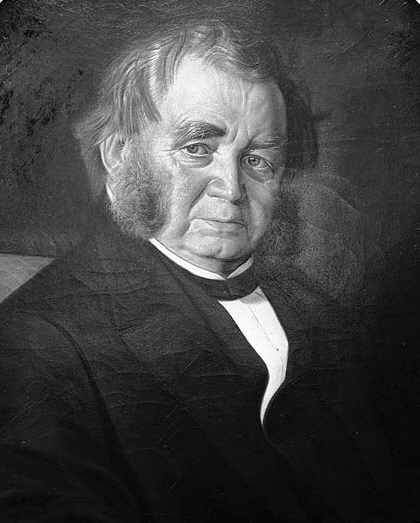
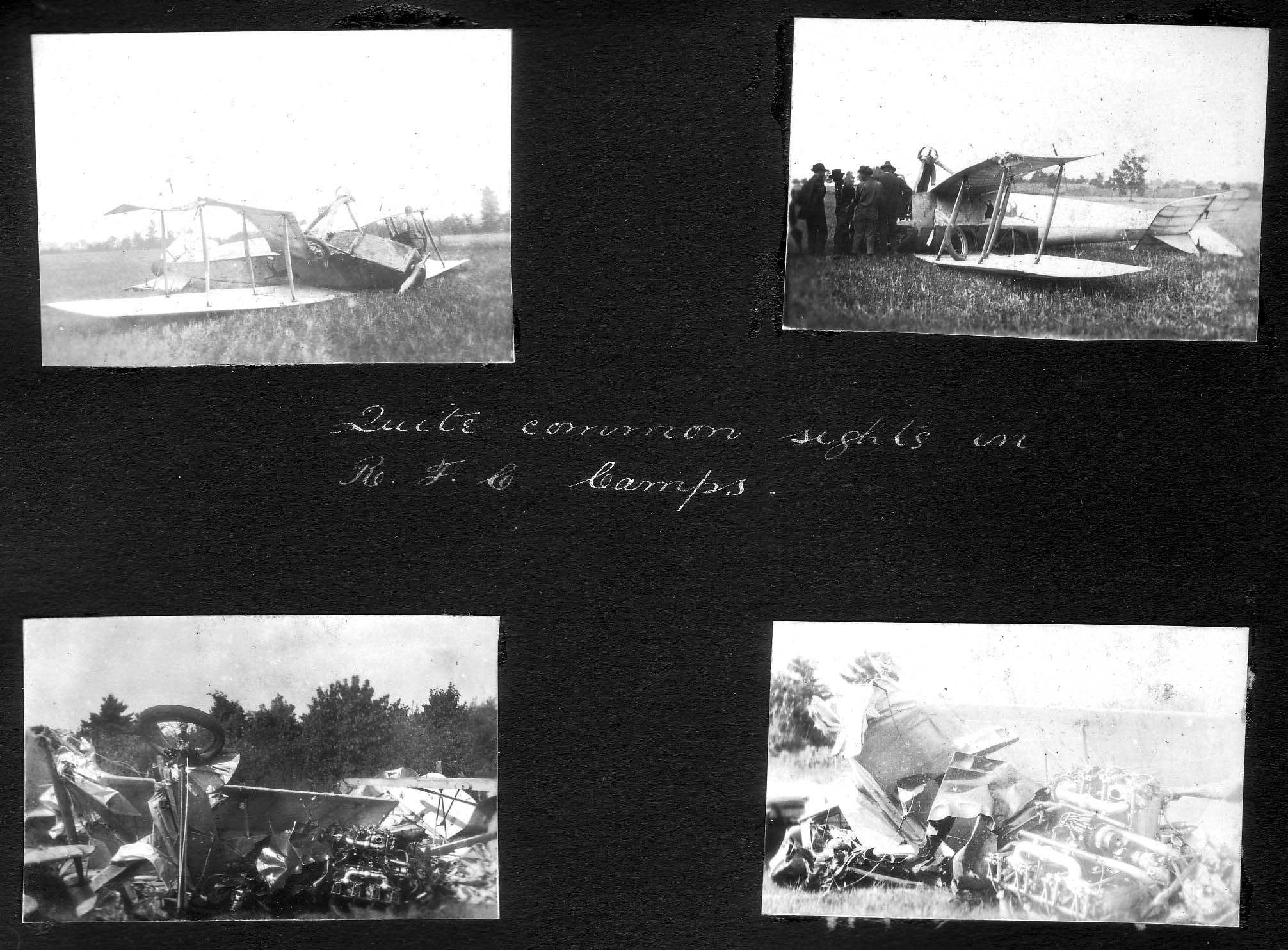
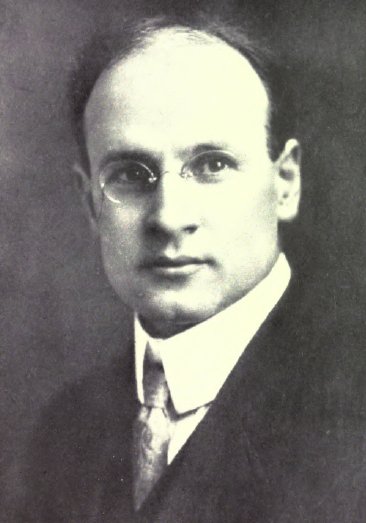
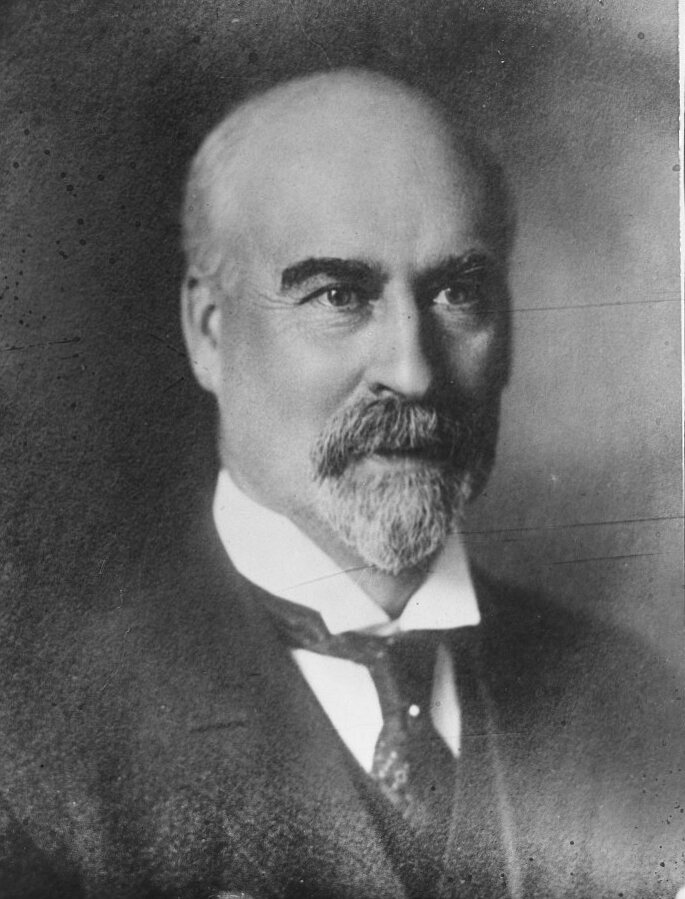



Subjects
Institutional and thematic histories of the Order's Canadian jurisdictions.
-
Five biographical compilation pages on the original Canadian Orange Historical Site carried short lives of thirty-four Orangemen, from a Speaker of the House of Commons to a Toronto soap manufacturer. The pages went offline with the rest of the old site. This page recovers every entry from the Internet Archive, with the birthplaces, dates, lodge numbers and Grand Lodge offices each one recorded, plus the surviving Addy family record and the Canadian Expeditionary Force commanders the compilations name.
-
The 1911 Report of Proceedings of the Grand Orange Lodge of Ontario West listed every member death returned by its primary lodges during the previous year. This page recovers that roll in full from the Internet Archive: 264 named men, each with his lodge number, his county, and the month of death as the return recorded it.
-
In 1871 every Orange lodge west of the western boundary of Victoria County fell under the Grand Orange Lodge of Ontario West. This page reconstructs a directory of the primary lodges documented as working in that jurisdiction by 1871, with numbers, places and warrant dates, explains why lodge numbers were reused, and sets out where the surviving records are held.
-
The original Canadian Orange Historical Site carried a seven-part run of transcribed newspaper obituaries for members of the Loyal Orange Association. Those pages went offline with the rest of the old site. This page recovers them from the Internet Archive as a single searchable index of 144 named men and women, giving for each one the date printed in the notice, the place, and the lodge number or Orange office recorded.
-
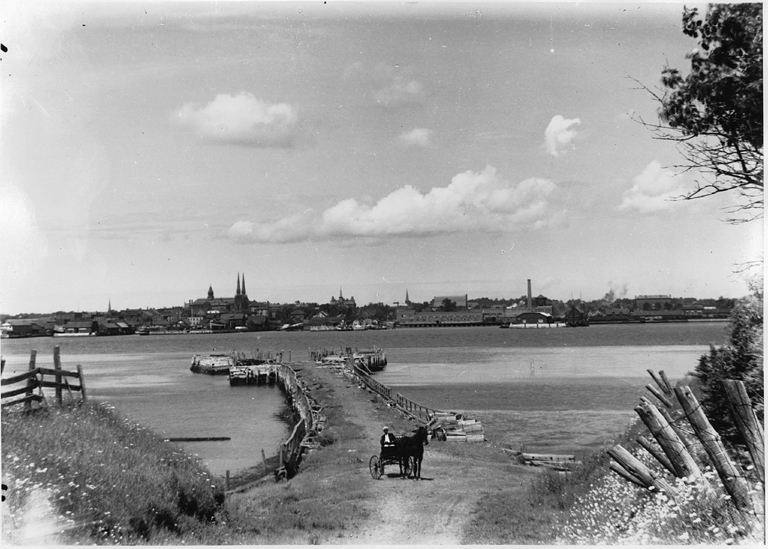
The Loyal Orange Association arrived on Prince Edward Island in 1849 with the chartering of Boyne Lodge at Charlottetown under an artilleryman of the British garrison. The provincial grand lodge was instituted in 1862, and Boyne Lodge received provincial incorporation in 1892. This page traces the early institutional history.
-
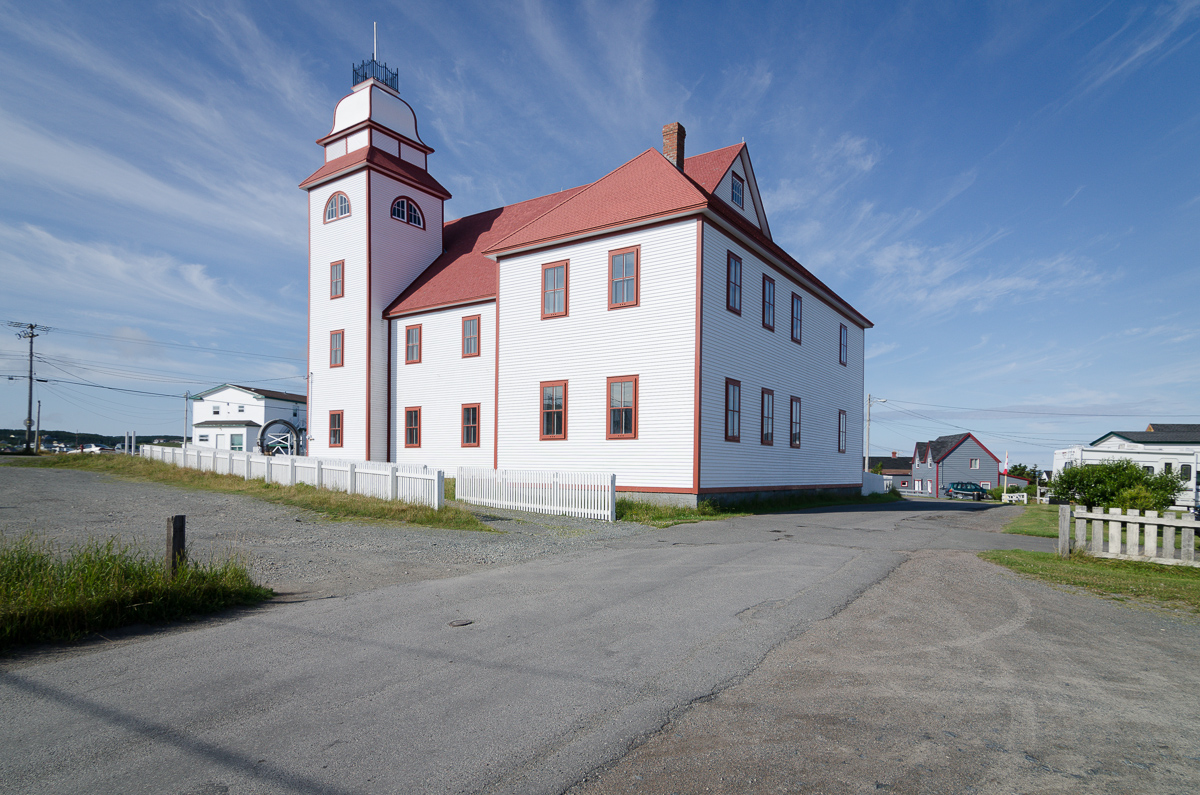
Orangemen's Day, the 12 July commemoration of the 1690 Battle of the Boyne, was for over a century one of the most public dates in the Canadian Protestant calendar. It survives today as a paid government holiday in Newfoundland and Labrador, one of the few places outside Northern Ireland where the date is still officially observed.
-
The Jesuit Estates Act of Quebec (1888) compensated the Roman Catholic Church for estates confiscated after the 1773 suppression of the Society of Jesus. Orange anger at the federal Conservatives' refusal to disallow it produced the 'Noble Thirteen' vote in March 1889 and, a year later, the long-sought Loyal Orange Association of British America Incorporation Act.
-
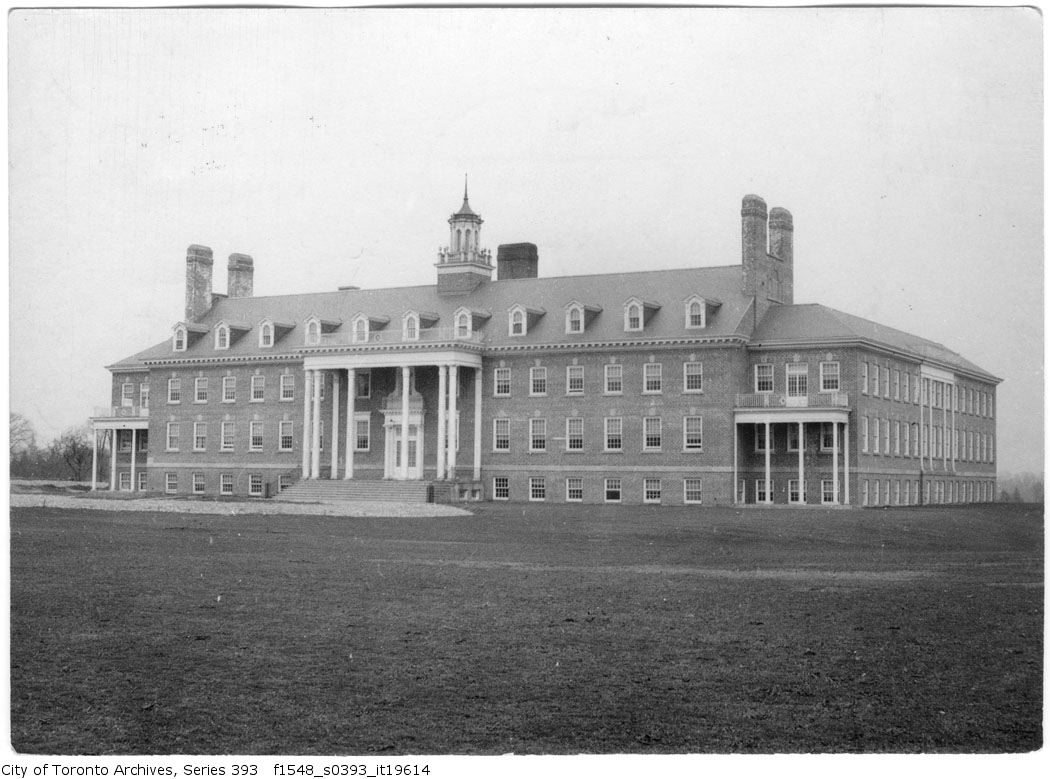
A combined children's home opened on Dominion Day, 1923 at Richmond Hill, Ontario, jointly run by the Loyal True Blue Association and the Grand Orange Lodge of Canada. Grew out of a Picton, Ontario orphanage begun in 1899. Operated as a Protestant children's home until Ontario's 1982 shift away from institutional orphanages, after which the building was converted to a licensed childcare centre that continues to operate on the site today, alongside a run as home to Century Montessori School through the 1990s.
-
A historical overview of the Loyal Orange Association of British America, its 1830 founding at Brockville, its century-long role in Canadian politics and civic life, its institutional structure, and its decline after the mid-20th century. Drawn from Houston & Smyth, Hereward Senior, Donald Akenson, Scott See, and David A. Wilson.
-
The institutional and regional history of the Loyal Orange Association in Upper Canada, Canada West and Ontario: the county lodge system, the 1859 division into Ontario East and Ontario West, the Order's long grip on Toronto city hall, the Twelfth of July, the Orange hall as rural architecture, and the twentieth-century decline that left 95 primary lodges where there had once been thousands.
-
The Royal Black Institution is a separate order from the Orange Lodge, open only to Orangemen who have taken the Royal Arch Purple degree. Its Canadian governing body, the Grand Black Chapter of British America, was constituted at Toronto in 1874, though the Blacks had been working in the colonies since about 1829. This page covers the structure, the eleven degrees, the preceptory numbering, and where Canadian preceptory records survive.




Episodes
Dated historical events that sit within the Order's Canadian story.
- 1849-04-25
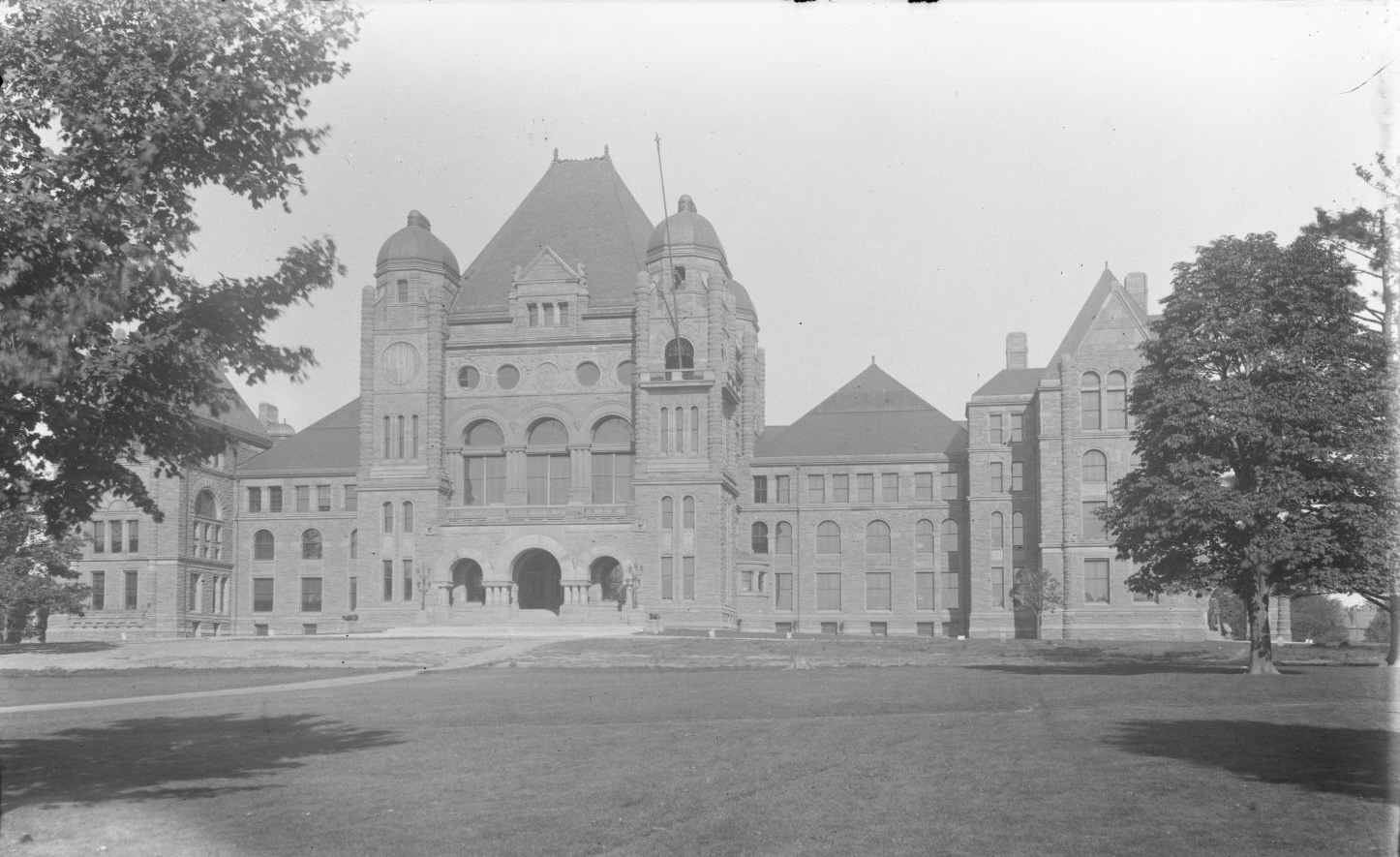
On 25 April 1849 Lord Elgin gave royal assent to the Rebellion Losses Bill, was pelted leaving the building, and by nightfall the Parliament of the Province of Canada was burning. The rioting ran to August, cost one life, produced ten arrests and no convictions, and drove the capital out of Montreal. This page sets out what the sources support about Orange involvement, and what they do not.
- 1883-12-26
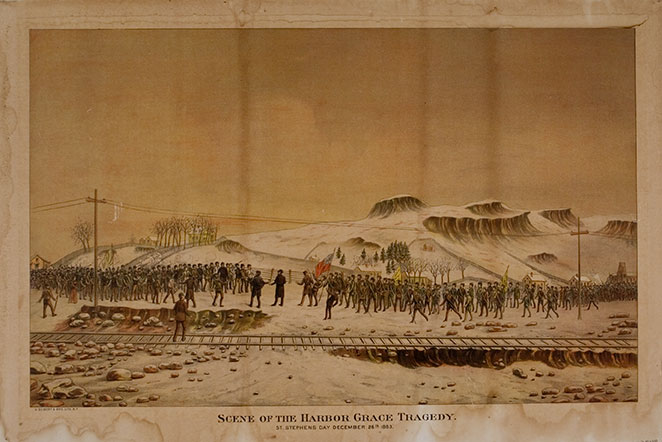
On Saint Stephen's Day 1883, a parade of between four and five hundred Newfoundland Orangemen at Harbour Grace met a blocking crowd of Catholic Riverhead residents. In the confrontation that followed, four men were killed and seventeen injured. Nineteen men were tried in February 1884; all were acquitted. The fallout helped unseat Premier Sir William Whiteway's government in 1885.
- 1885-08-01
Between Louis Riel's conviction at Regina on 1 August 1885 and his execution on 16 November, Orange lodges across Ontario passed resolutions and held public meetings pressing Sir John A. Macdonald's government to refuse clemency. The campaign was driven by the memory of Thomas Scott, shot at Upper Fort Garry in 1870. This page sets out what the record supports, what it does not, and where the surviving evidence is held.